Deaf and Hard of Hearing Clients Training
Training on Deaf and Hard of Hearing Clients for Behavioral Health Professionals
Deaf and Hard of Hearing Client Training
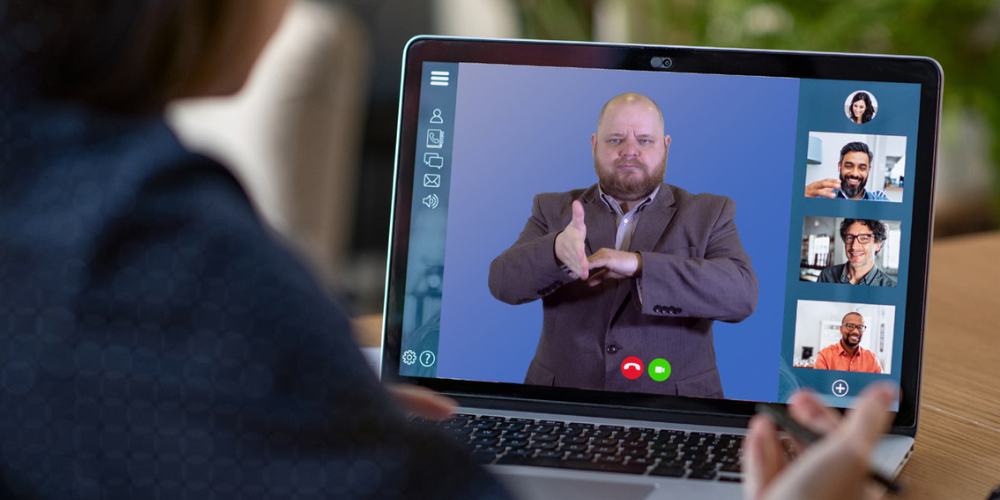
Just like any other group, Deaf and hard-of-hearing individuals have a unique lived experience that behavioral health professionals may not be familiar with. These trainings are designed to help mental health professionals provide the best possible care for their Deaf and hard-of-hearing clients.
Deaf and Hard of Hearing Client Training Part 1: Foundations
This foundational training introduces behavioral health professionals to the lived experiences, culture, communication dynamics, and access barriers commonly encountered by Deaf and hard-of-hearing individuals. Participants learn about Deaf culture, language development, working effectively with interpreters, and common challenges that can impact mental health treatment. The training is designed to increase cultural awareness, improve communication practices, and strengthen clinician preparedness when serving Deaf clients.
Deaf and Hard of Hearing Client Training Part 2: Clinical Application
Part 2 expands upon the foundational concepts introduced in Part 1 by focusing on applied clinical practice and behavioral health interventions. Through case examples, discussion, and practical application, participants explore topics such as language dysfluency and deprivation, diagnostic considerations, treatment planning, interpreter dynamics, and culturally responsive care. The training is designed to strengthen clinician confidence and deepen understanding of Deaf behavioral health services.
Upcoming Dates
Here are the upcoming dates for the Deaf and Hard of Hearing Client Trainings. Have additional questions? Email Dr. Maria O’Neil Ruddock at moneilruddock@chsc.org.
Part 1: Foundations
- Friday September 11, 2026
- Friday November 20, 2026
- Friday February 5, 2027
Part 2: Clinical Application
- Friday October 30, 2026
- Friday December 11, 2026
- Friday March 5, 2027
Interested in registering for one of our Deaf and Hard of Hearing Client Trainings? Register now by filling out this form or emailing Dr. Maria O’Neil Ruddock at moneilruddock@chsc.org.
About DBHC
The Deaf Behavioral Health Collaborative (DBHC) is a statewide initiative of the Community Center for the Deaf & Hard of Hearing (CCDHH) at Cleveland Hearing & Speech Center (CHSC).
Through funding provided by the Ohio Department of Behavioral Health, DBHC works to improve access to culturally responsive behavioral health care for Deaf and Hard of Hearing individuals across Ohio by providing professional training, community education, consultation, and resource development.
By increasing knowledge of Deaf culture, communication access, and clinical best practices, DBHC helps behavioral health professionals deliver more equitable and effective care to Deaf and Hard of Hearing clients.